
01 / 05
A general session outline to ask about
Many people find it helpful to have a loose expectation of how a session might be structured. You might ask whether sessions begin with a short conversation on preferences, whether time is set aside for lying or seated work, and how the session typically concludes. Phrasing such queries as options to confirm helps you shape a session that matches your comfort level.
Consider asking if the session is performed on a mat or on a massage table, and whether there are planned transitions between positions. Asking about session length in general terms can help you plan your schedule. When in doubt, frame these as questions such as what a usual flow looks like and what you should expect to wear or bring.
02 / 05
Positions, clothing and comfort considerations
Different studios may present options for clothing and positioning. You may find sessions where modest, loose clothing is recommended, or where the session happens on a floor mat with multiple positions. A practical question is what to wear for ease of movement and comfort during stretched or seated positions.
If modesty or mobility is a concern, ask whether extra coverings are used and how privacy is managed. You might also check whether you should arrive with layers to adjust temperature, or whether cushions or bolsters are commonly offered. Label any of these matters as things to verify with the studio prior to attending.
03 / 05
Movements, pacing and questions to consider
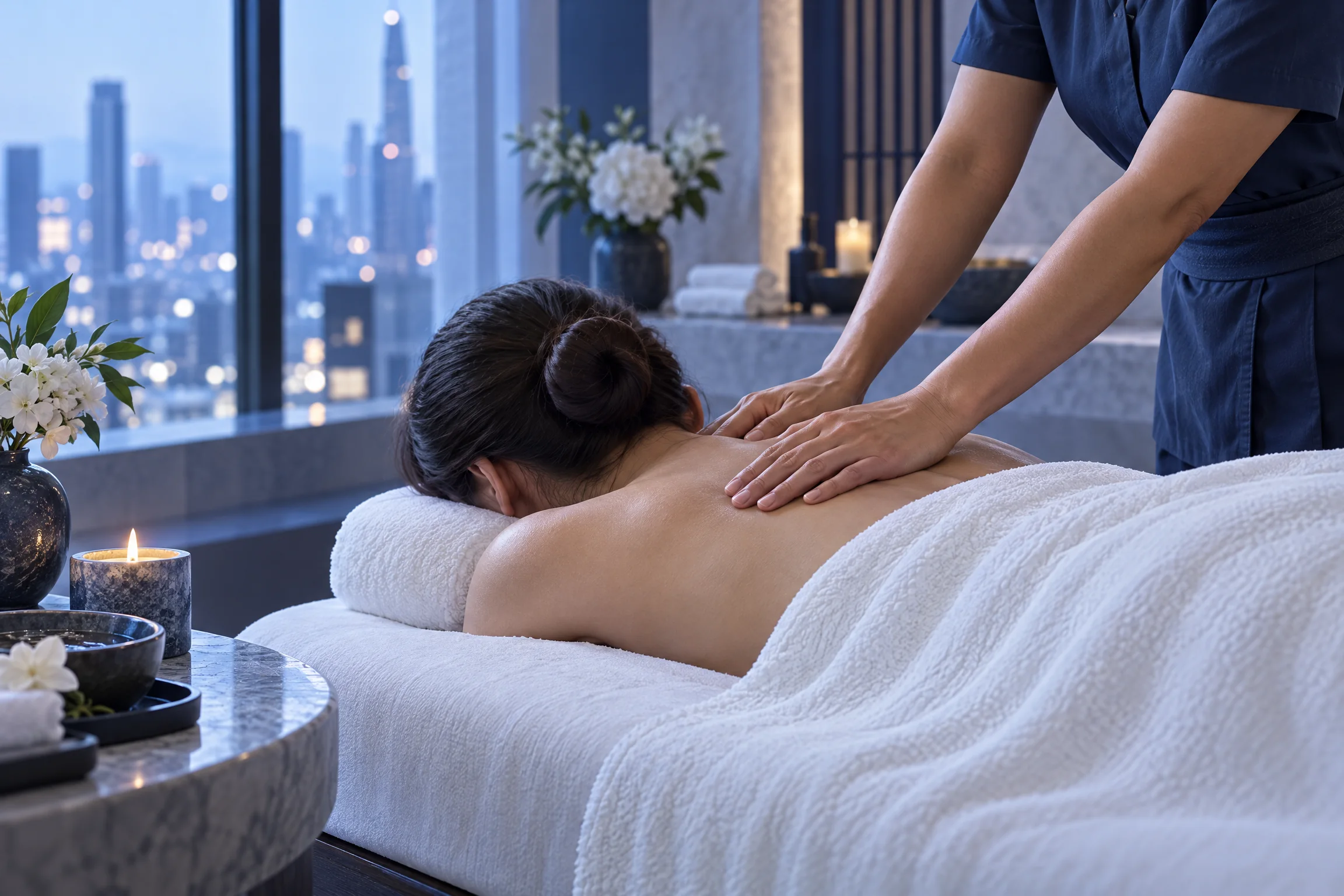
Descriptions of what happens during a session vary. You may notice sequences that alternate slower, rhythmical contact with gentler assisted movements and pauses for breath. When seeking clarity, consider asking how the pace is typically handled, and whether there are opportunities to slow down or change intensity mid-session.
If comfort or sensitivity is a concern, prepare a few specific prompts to ask in advance, such as how to signal a preference for lighter pressure or more pauses. Framing these preferences as questions rather than assumptions makes it easier to get the session adjusted to your needs.
04 / 05
Communication and personal preference prompts
Good communication helps ensure a session aligns with your comfort levels. Think about questions you might ask about how to give feedback during the session, such as preferred words to indicate a need to change pressure or positioning. It can be useful to note any areas you prefer to avoid and ask how that is typically handled.
Consider asking whether short check-ins are part of the session and how you can signal discomfort or request adjustments. Preparing a brief list of personal preferences ahead of time can make such conversations easier and more direct when you arrive.
05 / 05
After the session and simple follow-up questions
Aftercare expectations differ by person and by session style. You might want to ask if there is a suggested cool-down period or quiet time immediately after, or whether there are typical recommendations for hydration or gentle movement. Phrase these as optional suggestions to verify rather than as required steps.
If you have plans after a session, consider asking whether it is common to allow a few minutes before leaving to change clothes or sit quietly. Asking about simple practicalities such as towel availability or a private space to change can make post-session transitions smoother.